Month: September 2026

  • Signal of a Shifting Season

    This young white-tailed buck is giving a nod to an upcoming change of seasons with the shedding of velvet from his first year antlers. A lot of firsts have already taken place in his life. This one however marks a coming of age with new hormones kicking in as a prelude to his first breeding season as well as a signal that fall is right around the corner.
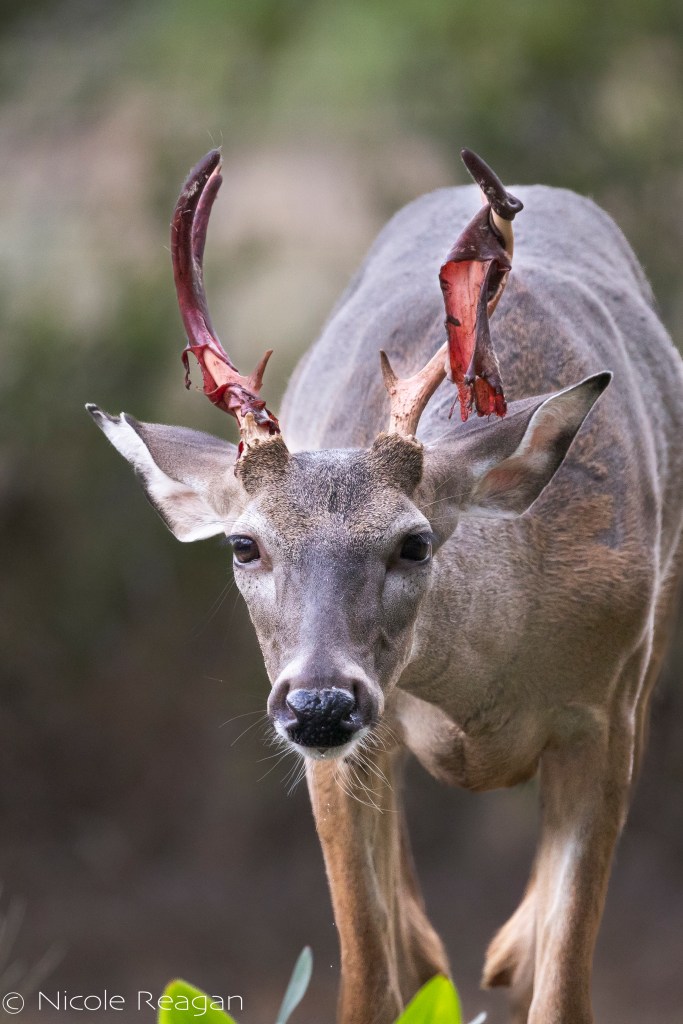
    6’s first velvet shed

    When this young buck was about a 2 to 3 month old fawn he developed small cartilage nubs under the fur where his antlers will soon grow. Blood flows beneath the fur to feed those nubs or ‘buttons’ (hence the name button buck). Growing fairly rapidly the fur/velvet remains as a cover for oxygen rich blood to continue feeding the growth of this cartilage that will calcify into bone/ antlers. Adult male antlers in velvet can grow up to 1/4 ” a day.

    When the days shorten it sparks the hormonal shift that starts this shedding of velvet. The shift in hormones causes the blood flow to dry up causing the outer velvet to pull away. This process seems to be quite itchy, like a scab. They will scratch on what ever thorny brush or small trees they can find until all the velvet is gone and the boney antlers are revealed clean and new. This transformation usually happens noticeably in the course of a day. The bare bone antlers will then fall off or completely ‘shed’ in late winter after the breeding season comes to an end. Each year the buck’s antlers will look a bit different for a variety of reasons. Injuries to the velvet covering, overall health of the buck, his genetics and the health of his habitat can play a role in what his antlers will look like. Range and healthy strong native habitat are major key factors for a healthy strong native inhabitant. They mirror the health of one another.

    A few days before this buck shed his velvet I happened to notice his twin brother who has a slightly larger set of six points seeming to console him. The buck who was about to shed seemed uncomfortable. Looking a little downtrodden shaking his head and snorting as they came in for a drink. Stopping for a moment the larger 6 point of the two began licking and nuzzling his brother’s face and velvety antlers.
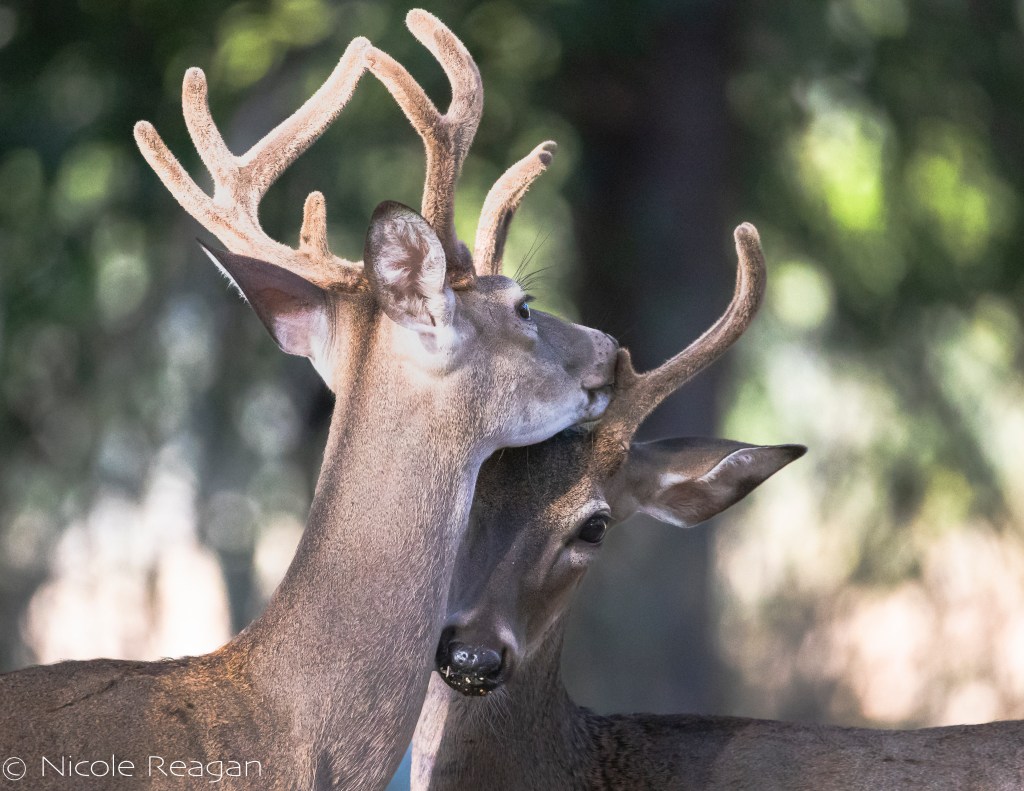
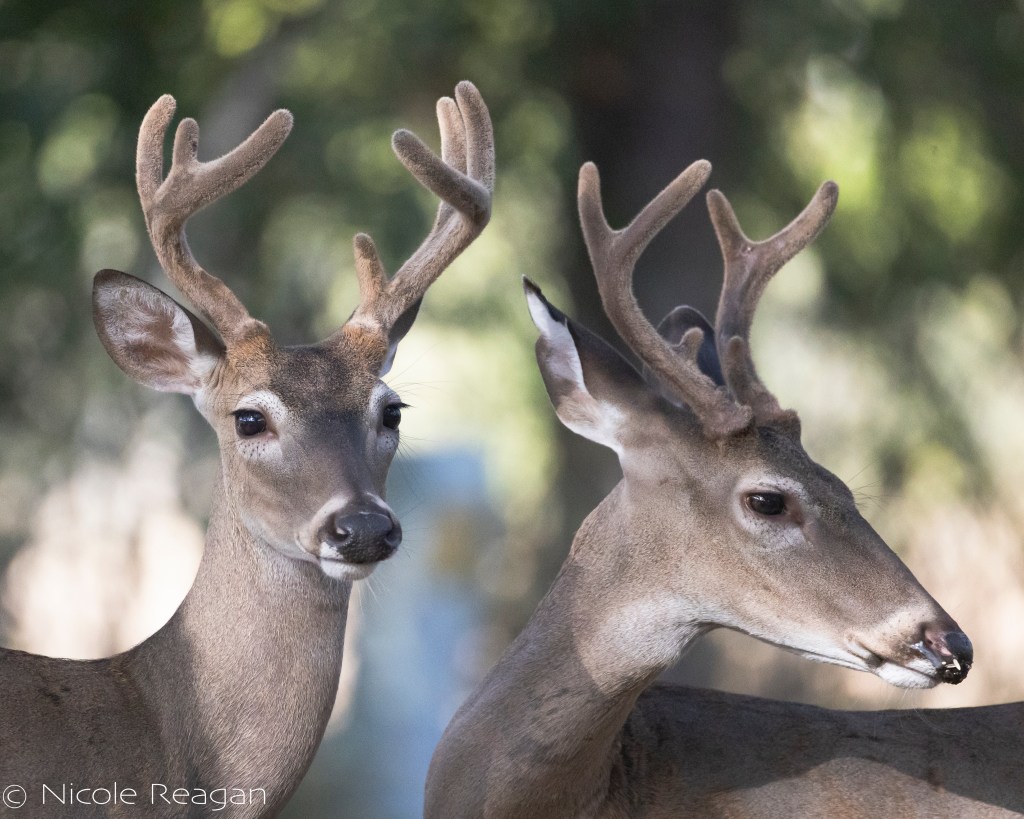
    first year velvet twins- 6,7
    6,7

    These two are always together and appear to have a strong bond. There is a young doe who grew up as a fawn with them, an older doe, and her fawn in their little group that broke off from the main herd. I’ve witnessed them all looking out for each other and the little fawn of the group. I hope these bucks survive hunting season and winter to enjoy the spring, arrival of new fawns and many more seasons to come!
  • Flippy Floppy Ambling Anis

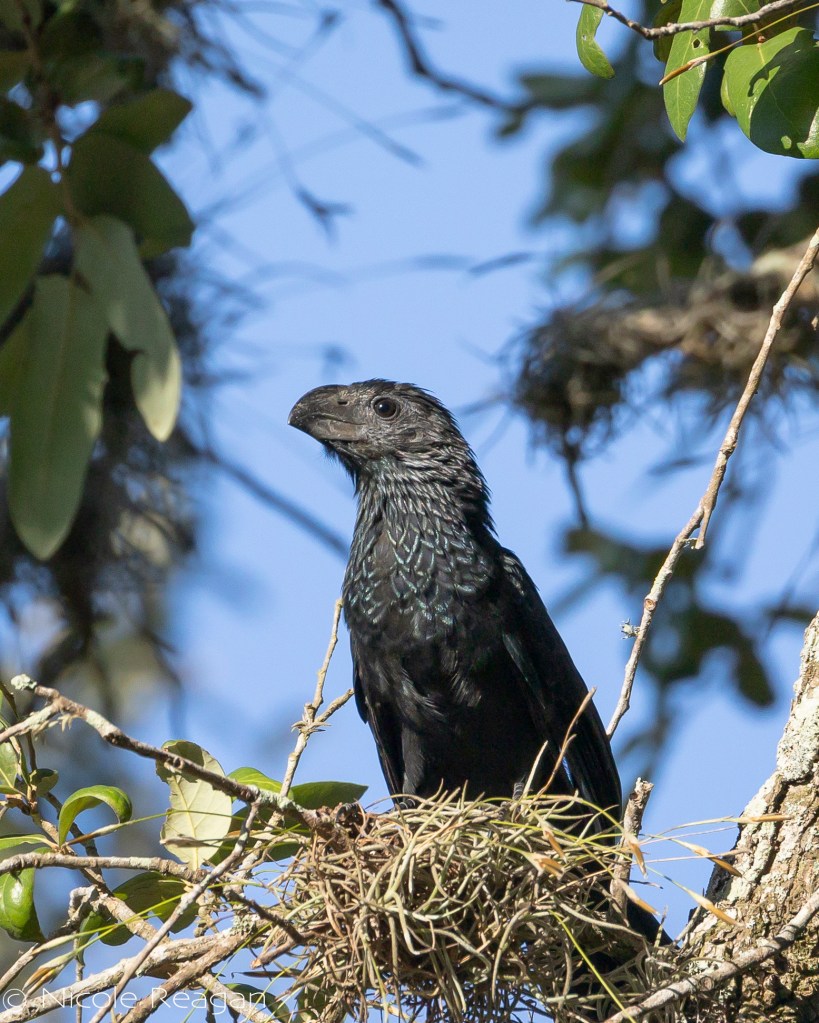
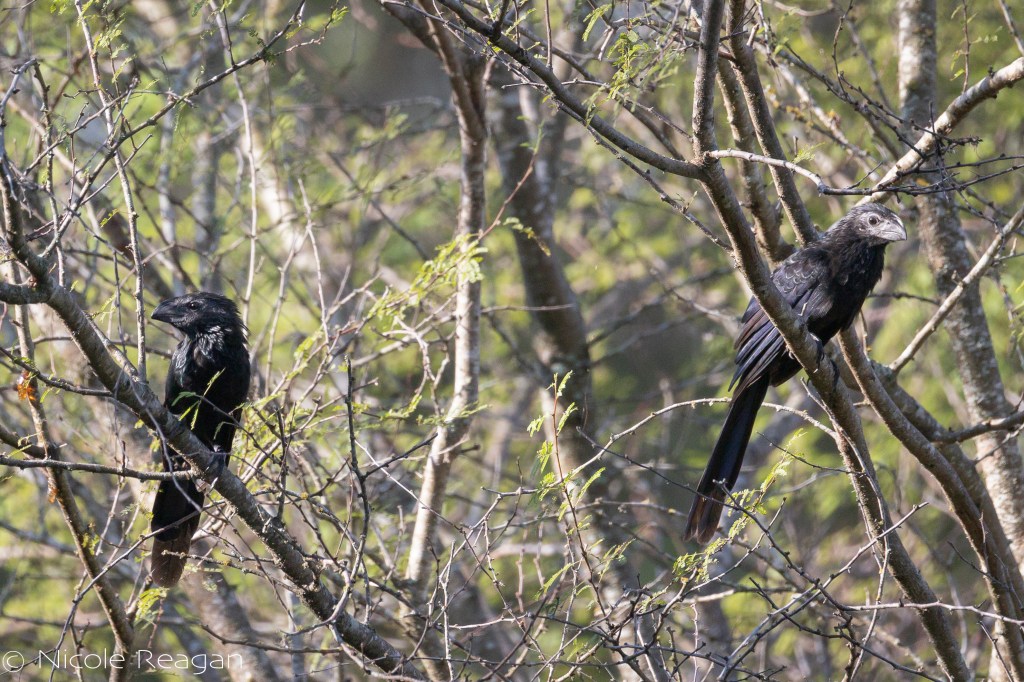
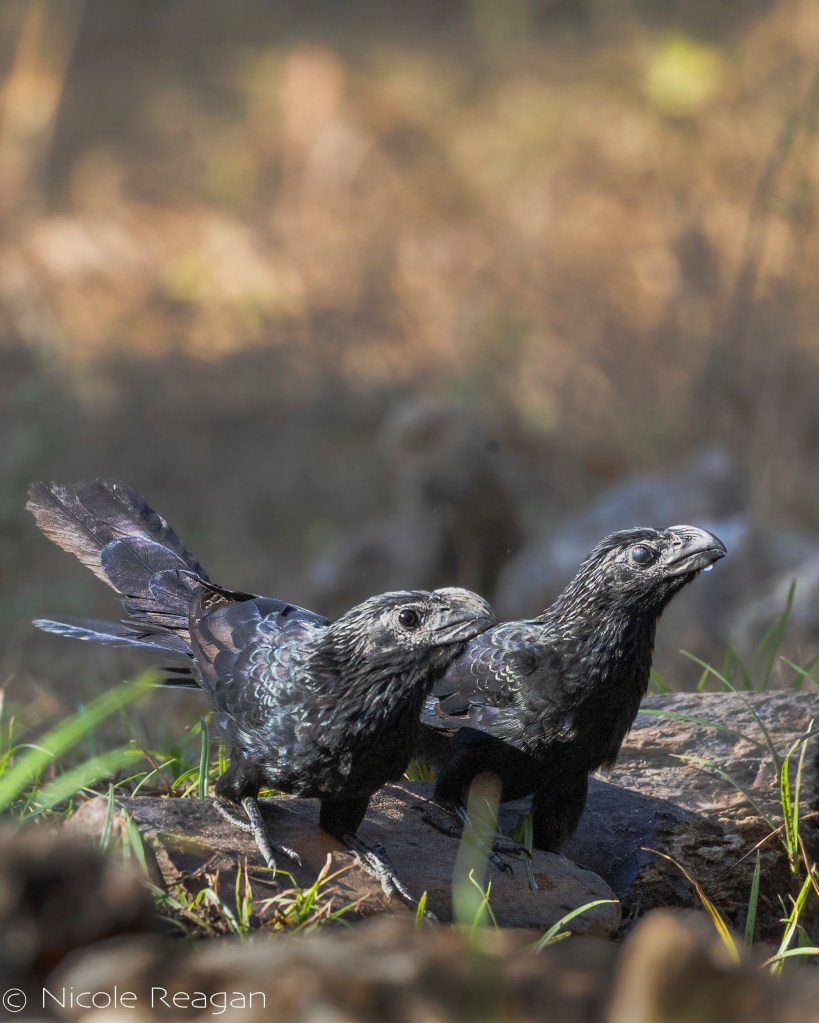
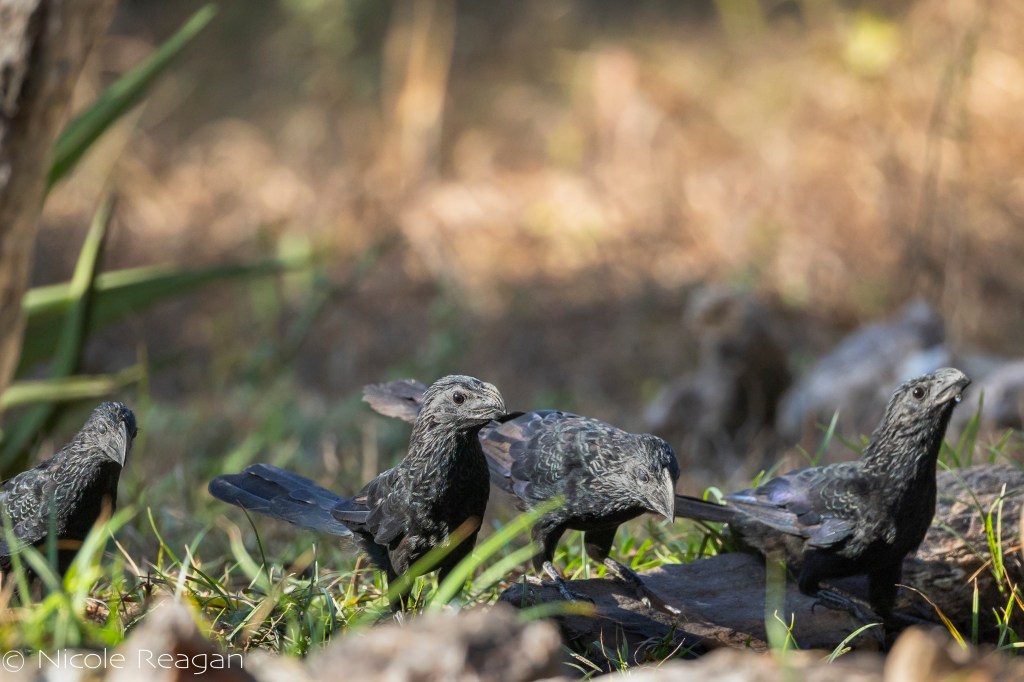
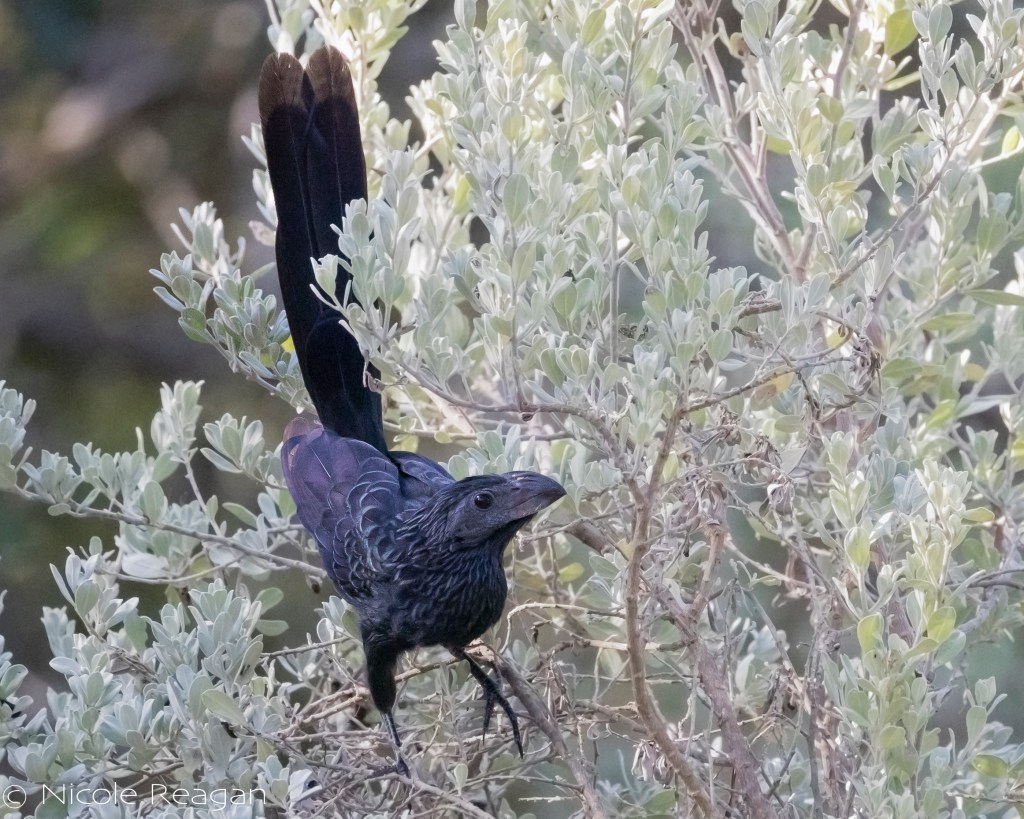
    Ambling along the brushy fence line and in along the low oak limbs. Tumbling through the humid morning air and buoyantly landing by a small pond that is nestled next to a cloud like stand of ceniza. A family of Groove-billed Anis with their watery whistles, squeaks, squawks, and cuckoo calls announce their intriguing and almost comedic dance of an arrival for a drink while the water is still cool from night.

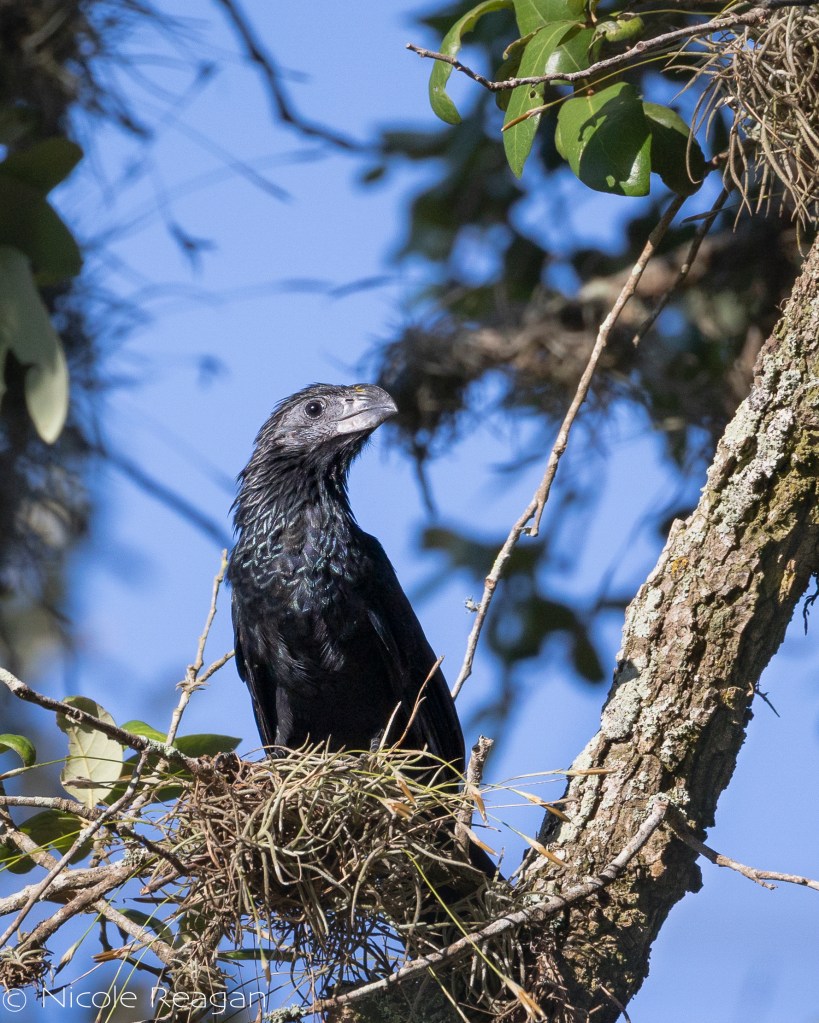
    A member of the Cuckoo family, and sometimes resembling a marionette puppet as if all their moving parts are held up by string. Slightly uncoordinated especially their long floppy tail. Wagging and flipping about balancing the seemingly floating body on top of gangly legs. X marks the spot where their zygodactyl toes bounce along the ground more like walking on a trampoline. Let’s not forget that Jimmy Durante esque bill (Ha- cha- cha- Cha!). A curved large grooved upper mandible leaves you wondering if there is some advantage of this seemingly clumsy looking facial feature. Like their cousin the roadrunner, there are no feathers around the eye. This description may not sound like it, but I think these birds are rather handsome, even pretty.

    Just look at that proud smile. Who couldn’t love that face!

    Being good opportunistic omnivores Groove-billed Ani have commensalistic relationships to large mammals such as deer, or grazing cattle by picking off ticks and other parasitic insects for a snack. Sometimes following along like the cattle egret to take advantage of any insects that get stirred up by trodding hooves. They have also been known to eat seeds, grains, fruits and berries, lizards, and other small vertebrates.

    Living in tight knit groups of around 4 to 6 individuals. They are communal nesters. Both sexes look alike, both take part in nest building, incubating eggs, feeding and caring for young. Each member of this family group made up of monogamous pairs will take turns as a sentinel guarding from predators, and sounding the alarm if a threat to the community is near. This type of living situation allows for a larger territory, and higher success rate for raising young. Also, possibly adding to their lifespan as the community cares and watches out for one another.

    Folklore and symbolism of the Groove-billed Ani says they are a sign of cooperation, self reflection, embracing the unknown, family bonding, communication, and a strong sense of community.

    I’d say to see a Groove-billed Ani in the wild would be a Good Omen indeed!