The Fury of Fall
Fall bird migration in South Texas generally speaking seemingly has more relaxed travelers. Except when it comes to hummingbirds. One day a slight noticeable uptick in ruby-throats then, the next day they are swarming like bees. Draining your feeders in a few hours.
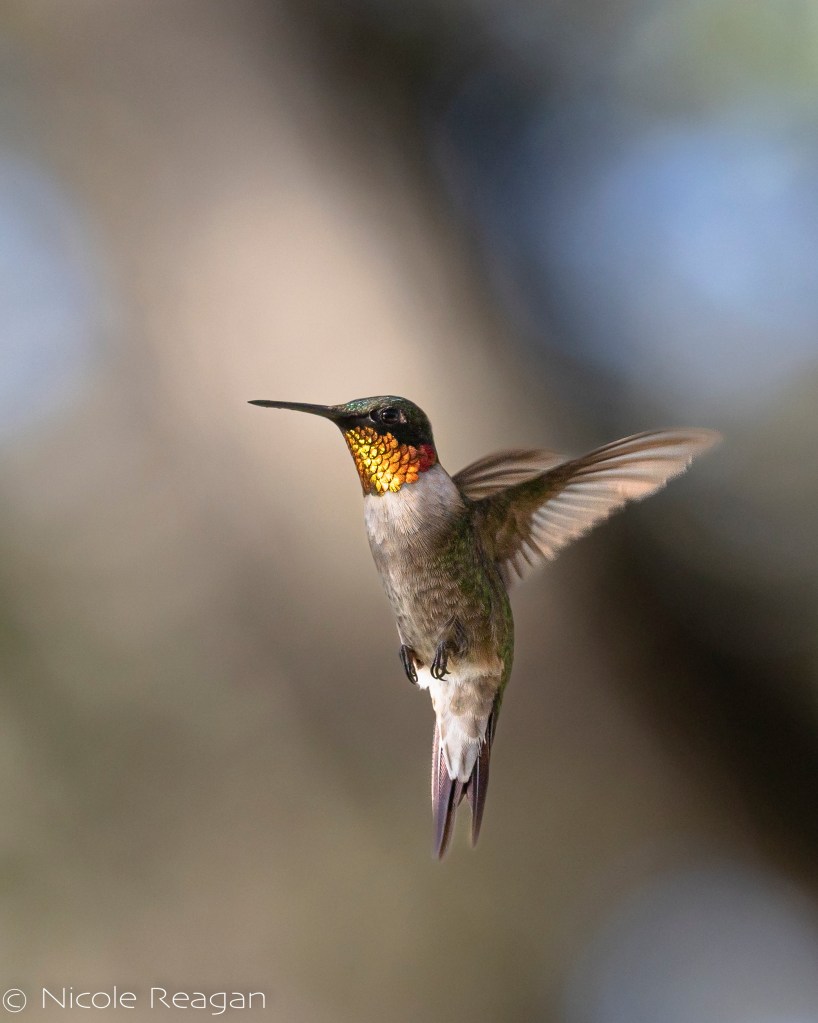
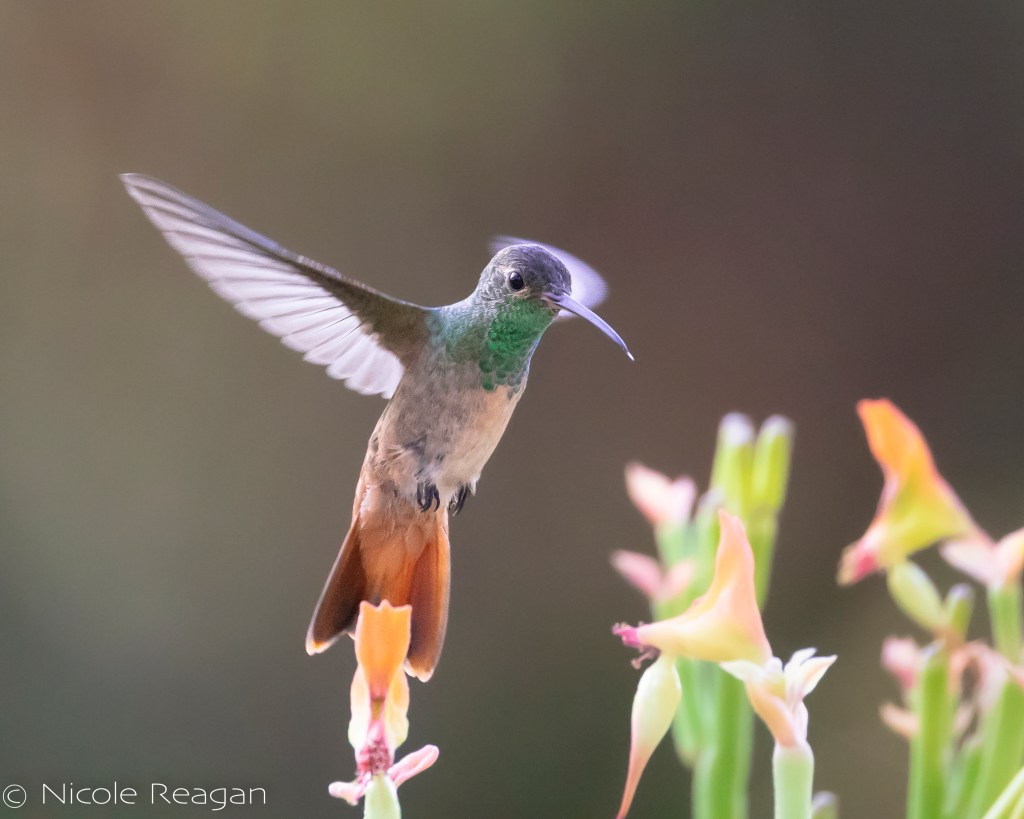
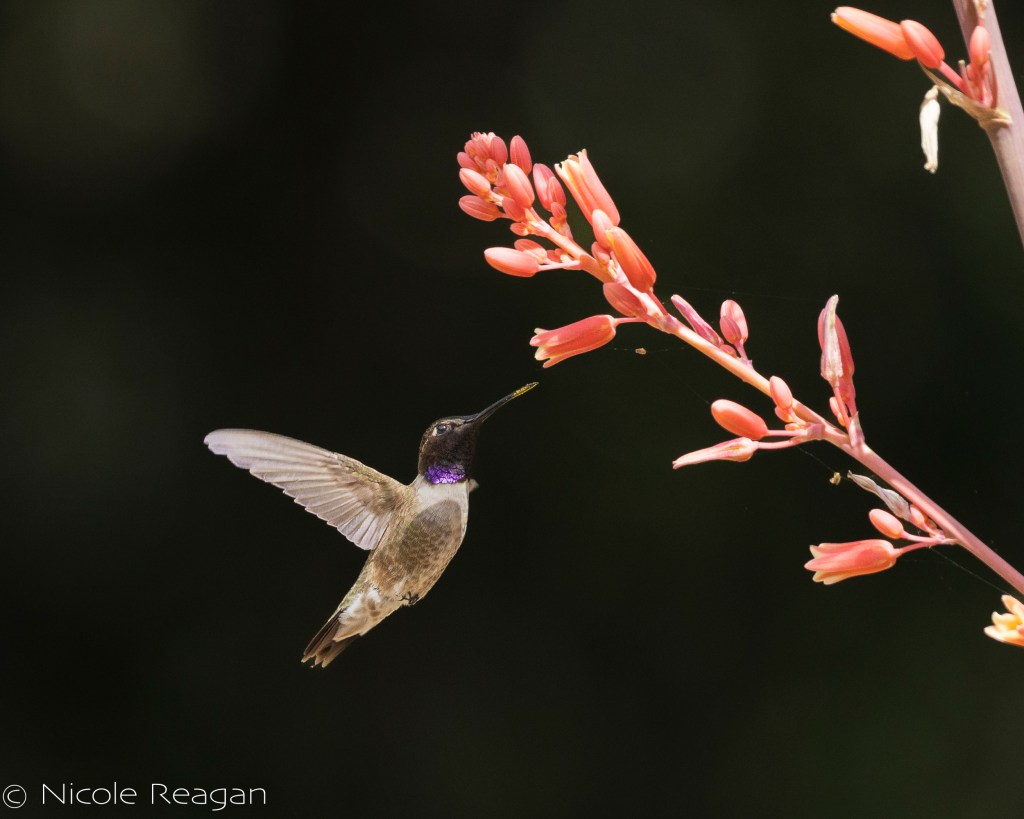
Ruby-throated beats out other species in numbers. Then, black-chinned hummers who have already been making themselves comfortable through spring and summer. Mainly feeding on native drought tolerant bloomers and small flying insects with the Buff-bellied hummingbirds of which some are permanent residents.
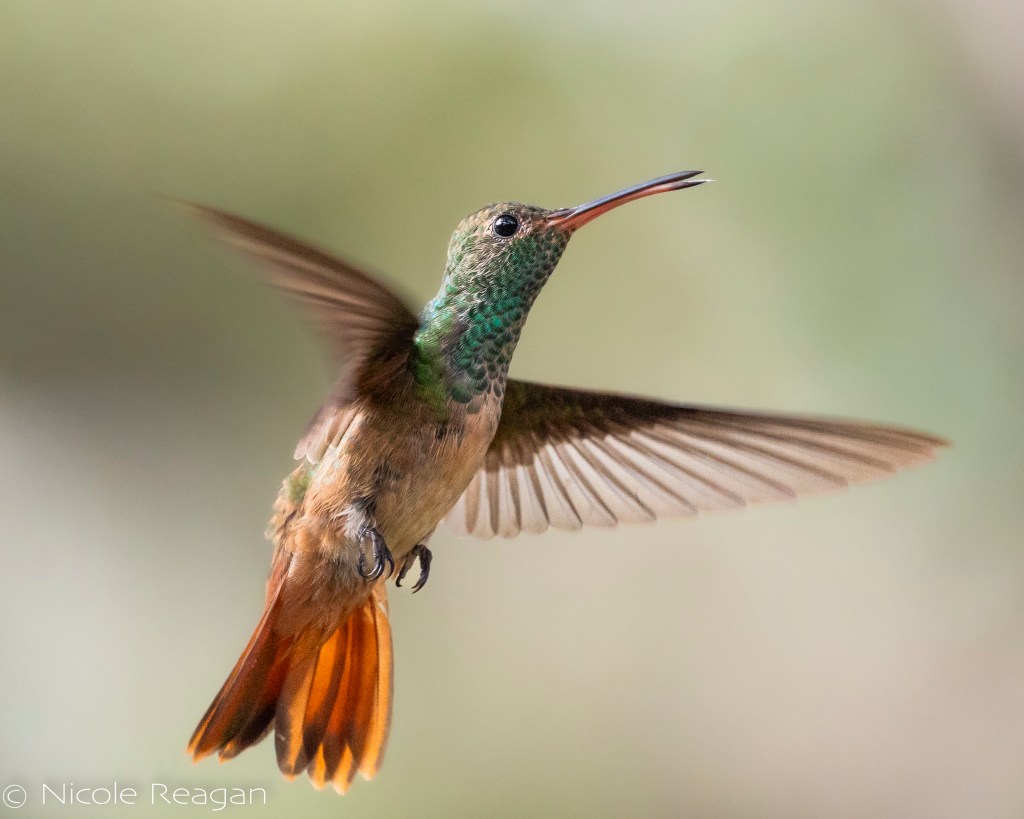
In voice and presence (making up for smaller stature),the rufous hummingbird can be the feistiest of the bunch! If you listen closely it’s easy to tell this one apart by voice with its slightly higher pitched zzzttct-zzzcullzzittt! Telling off all the others while zooming its way into feed with fiery fury! Short bird syndrome pays off to get your fill of nectar when you’re fattening up for the long last leg of your journey to winter in Mexico.
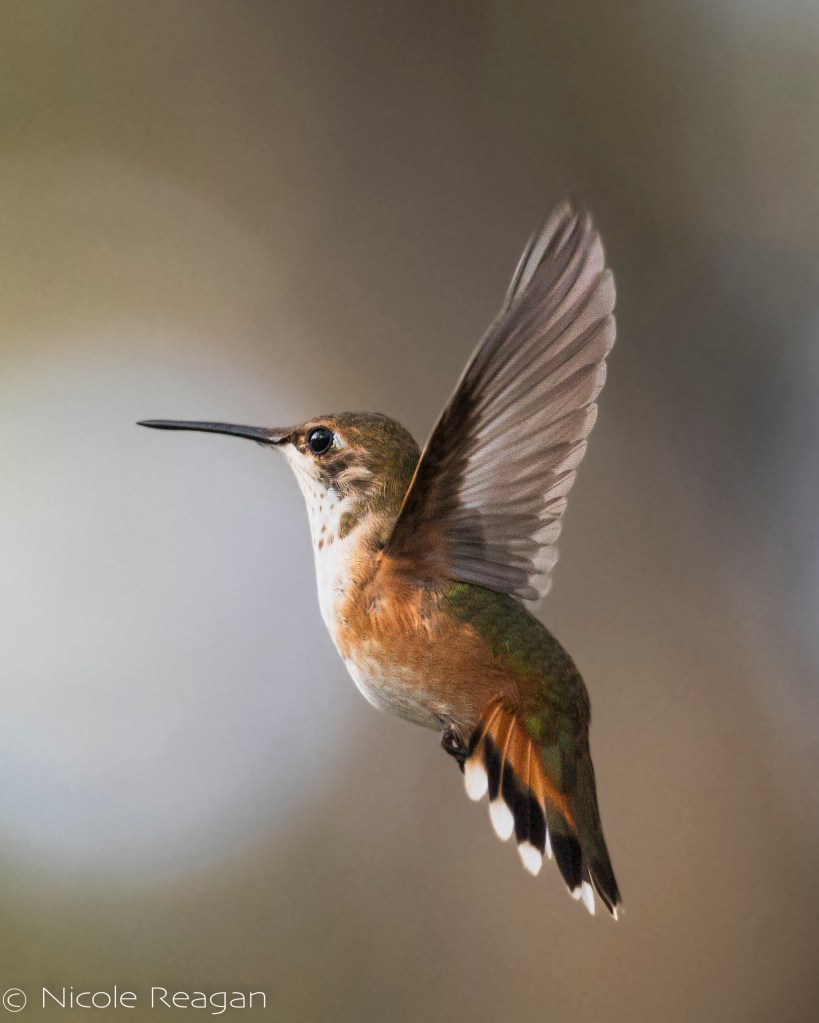
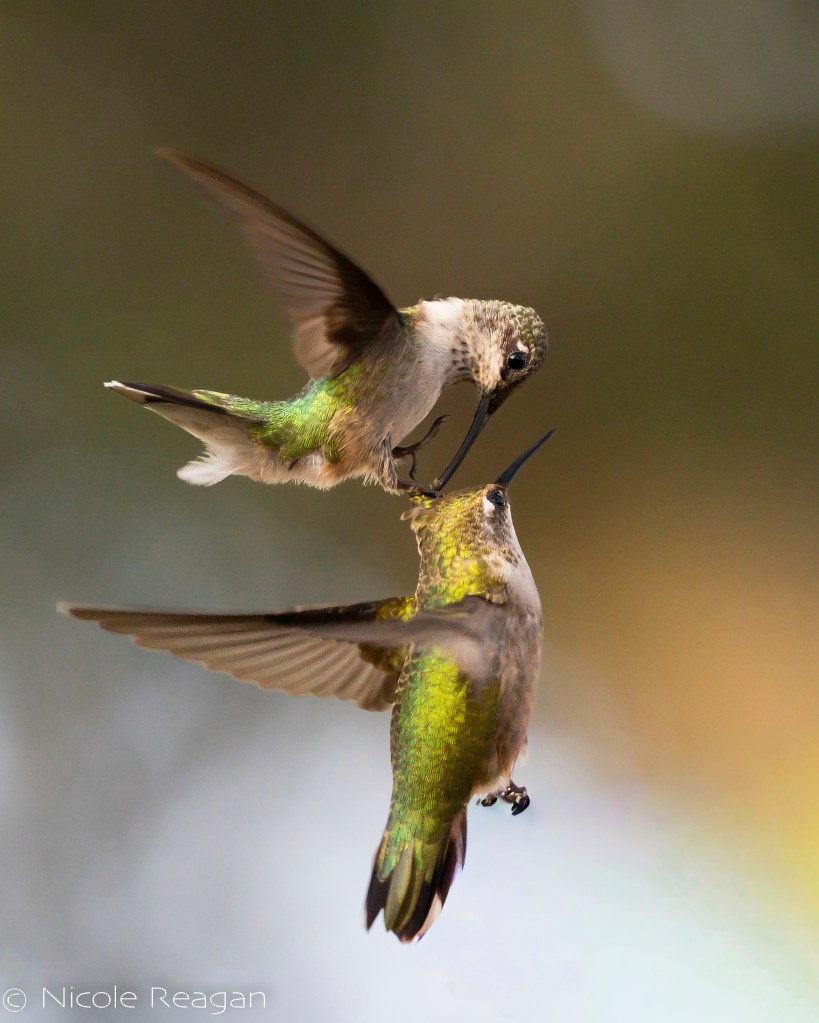
Fighting in flight. In slow motion looks like tumbling into a dream. Not so much in real time. Just one more way these tiny birds show off their amazing acrobatic flight skills & feisty nature-
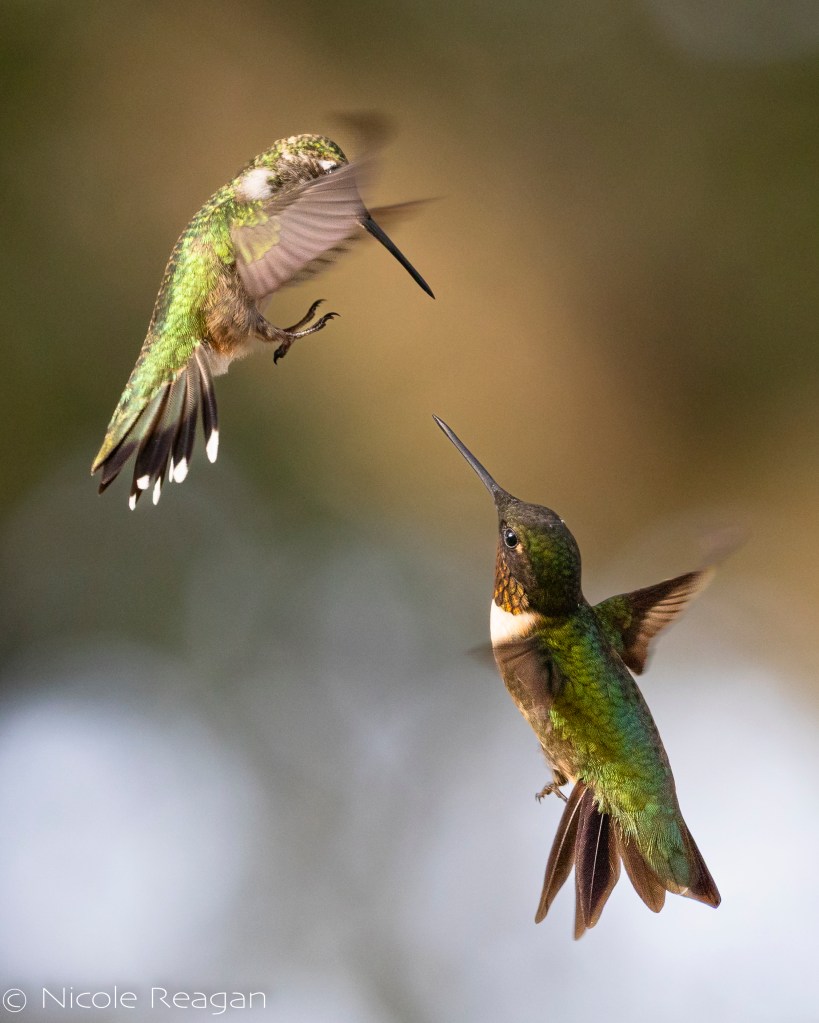
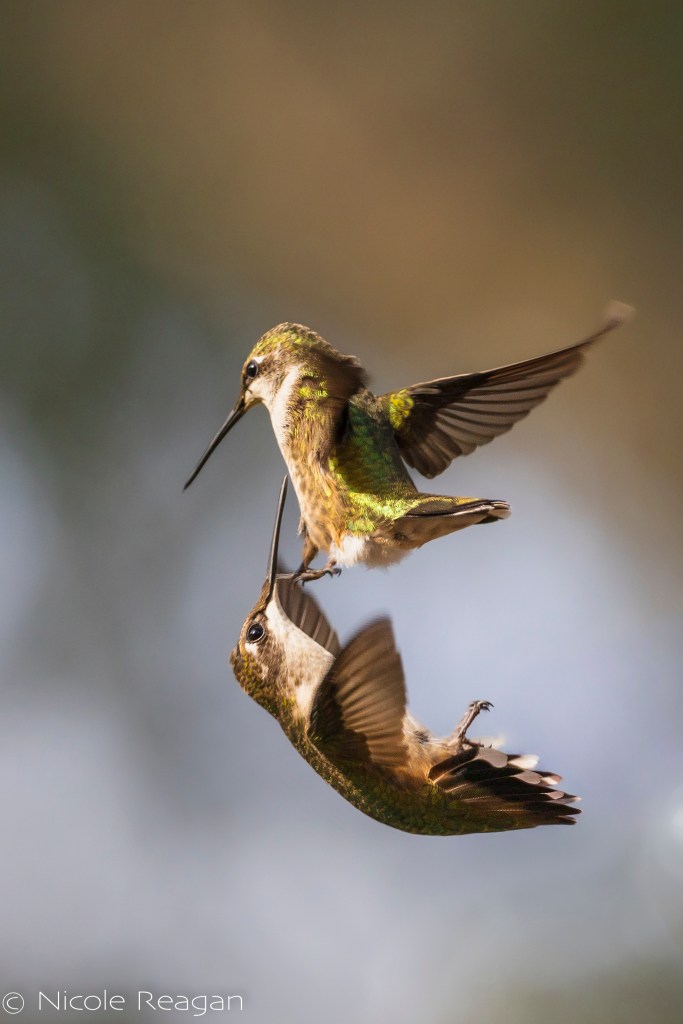
Then all of the sudden you wake up one morning (in this instance October 6, 2026) and 90% of these glittering little birds have vanished! Most of them on their way to winter in Mexico (can’t blame them).
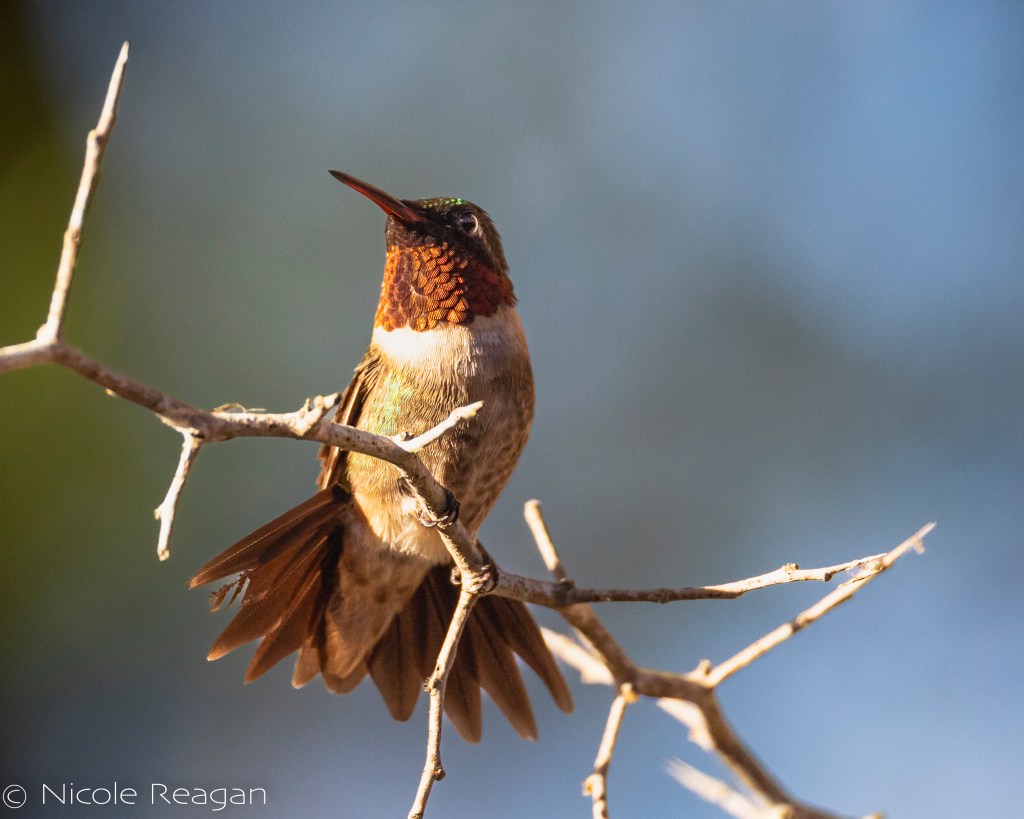
The last part of fall migration can be particularly interesting. This is when a rare hummingbird shows up and stays through winter with the usual year round residents. Broad-tailed hummingbirds, and Anna’s are the two I’ve noticed. Usually adolescent males who start out looking pretty scruffy (making them difficult to identify). Over winter they come into their adult feathers and brilliantly colored gorgets. Looking like royalty and giving a tiny colorful spark of joy to a short cold season.
For now, the beautiful Buff-bellied hummingbirds get some space back. And a little more peace and quiet at the feeders now that this tiny tourist season is over.